

-
Myth: You can tell if someone has HIV by looking at them.
Fact: People with HIV can look healthy and show no visible signs of infection.
Read More » -
Myth: HIV can be spread through sharing food or drinks.
Fact: HIV cannot be spread through sharing food or drinks.
Read More » -
Myth: HIV can be spread through casual contact (hugging, kissing, etc.)
Fact: HIV is primarily spread through specific bodily fluids: blood, semen, rectal fluids, vaginal fluids, and breast milk. Casual contact…
Read More » -
200+ Queries

How can we ensure that the needs of people living with HIV are prioritized in national health plans?
To ensure that the needs of people living with HIV are prioritized in national health plans, we can: Advocate for…
Read More » -
200+ Queries

What is the role of international organizations in coordinating the global HIV response?
International organizations can play a crucial role in coordinating the global HIV response by: Sharing best practices. Mobilizing resources. Advocating…
Read More » -
200+ Queries

How can we improve the quality of HIV care in prisons and other detention settings?
To improve the quality of HIV care in prisons and other detention settings, we can: Provide comprehensive HIV services, including…
Read More » -
200+ Queries

What is the role of the media in promoting HIV awareness and reducing stigma?
The media can play a significant role in promoting HIV awareness and reducing stigma by: Providing accurate and sensitive information…
Read More » -
200+ Queries
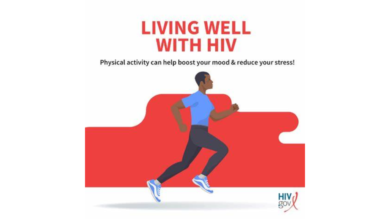
How can we address the specific needs of people living with HIV who are also experiencing substance use disorders?
To address the specific needs of people living with HIV who are also experiencing substance use disorders, we can: Integrate…
Read More » -
200+ Queries

What is the role of research in developing new HIV prevention and treatment strategies?
Research is essential for developing new HIV prevention and treatment strategies, such as: Vaccines. Microbicides. Improved antiretroviral therapies. Cure research.
Read More »